



Comment choisir des stores bateaux et des stores cellulaires ? Guide complet du débutant, du matériau à la taille, pour éviter les pièges
Préface
Les bons tissus d'ameublement peuvent instantanément améliorer le style de votre intérieur.
Avec leur look minimaliste, leur design peu encombrant et leur large compatibilité avec différents types de maisons, les stores bateaux et les stores cellulaires sont devenus des revêtements de fenêtre populaires dans les maisons modernes, largement utilisés dans les appartements, les maisons individuelles, les villas et autres espaces résidentiels. Cependant, de nombreux débutants ont des difficultés avec les différences de matériaux, la mesure des tailles et les options d'installation, et négligent souvent les besoins spécifiques des scénarios domestiques (tels que les normes d'efficacité énergétique et les caractéristiques du type de maison), ce qui entraîne des fuites de lumière, une mauvaise expérience et des effets de décoration insatisfaisants.
Ce guide complet couvre les besoins fondamentaux, la comparaison des matériaux, la mesure précise, l'adéquation aux scénarios et les FAQ, s'adaptant aux différents types de maisons et scénarios domestiques, vous aidant à faire le bon choix facilement.

1. Clarifiez d'abord vos besoins essentiels
Définissez 4 exigences clés avant l'achat, en fonction de vos propres caractéristiques de vie (telles que le bruit de la rue, l'exposition au soleil couchant et la taille de la maison), pour une sélection ciblée :
1. Blocage de la lumière
Occultant total : personnes au sommeil léger, siestes en milieu de journée, interférence des lumières de la rue ou chaleur estivale.
Semi-transparent : lumière naturelle quotidienne, ombrage doux et protection de base de l'intimité, adapté aux maisons moins lumineuses.
2. Protection de la vie privée
Tissu haute intimité pour les appartements en étage inférieur, les résidences donnant sur la rue et les voisins proches ; stores transparents légers pour les résidences en hauteur, les villas individuelles et les vues dégagées.
3. Isolation thermique et phonique (répond aux besoins d'efficacité énergétique)
Les stores cellulaires à structure alvéolaire sont les plus efficaces pour le soleil couchant intense, les différences de température, le bruit de la rue (par exemple, près des autoroutes, des zones commerciales) ou ceux qui recherchent la conservation de l'énergie. Ils peuvent également contribuer à réduire la consommation d'énergie de la climatisation, conformément aux concepts modernes d'efficacité énergétique domestique ; les stores bateaux sont suffisants pour les pièces à température constante et à l'environnement calme (par exemple, les villas individuelles en banlieue), équilibrant décoration et isolation thermique de base.
4. Méthode d'installation (s'adapte à la structure de la maison)
Installation sans perçage : maisons de location, appartements (perçage non autorisé), décoration temporaire (pas de dommages aux murs, conforme aux réglementations de rénovation locative) ; Montage par perçage : résidences de propriétaires, meilleure stabilité et étanchéité à la lumière, convient aux murs courants tels que le bois et les plaques de plâtre pour une installation plus ferme.
2. Comparaison des matériaux et des styles : stores cellulaires VS stores bateaux / occultants VS transparents (choix courants)
1. Stores cellulaires VS stores bateaux (s'adaptent aux besoins de la maison)
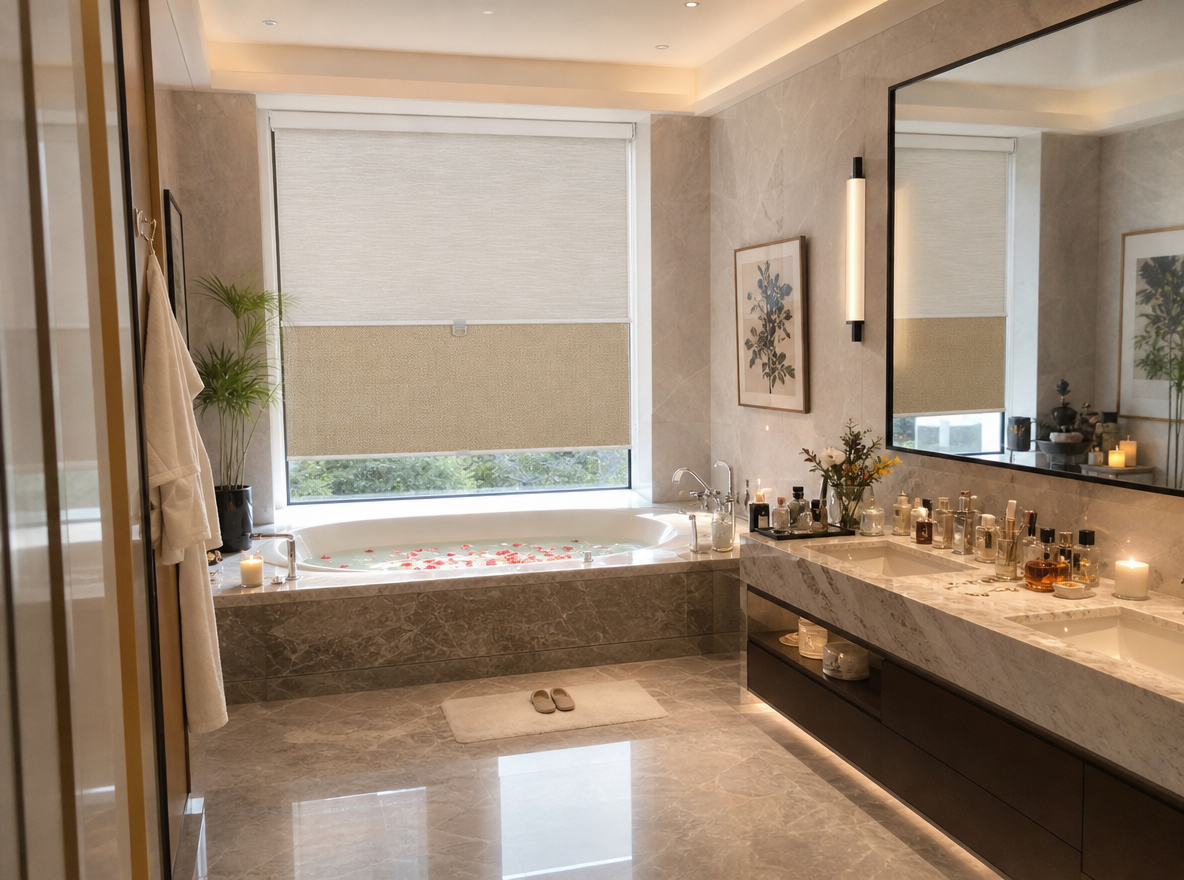
✅ Stores cellulaires (Premier choix pour l'économie d'énergie)
Avantages : Structure alvéolaire creuse pour une excellente isolation thermique et phonique, s'adaptant aux climats avec des hivers froids et des étés chauds ; conception flexible haut-bas et bas-haut pour un contrôle segmenté de la lumière, adaptée aux grandes fenêtres ; durables, conservent leur forme et sont faciles à entretenir, répondant aux besoins d'une maison au rythme rapide ; minimalistes et polyvalents, s'adaptant aux styles de décoration courants tels que le minimaliste, le moderne et le campagnard.
Inconvénients : Moins de texture de tissu et design unique, moins décoratifs que les stores bateaux ; les grandes tailles sont légèrement plus chères que les stores bateaux.

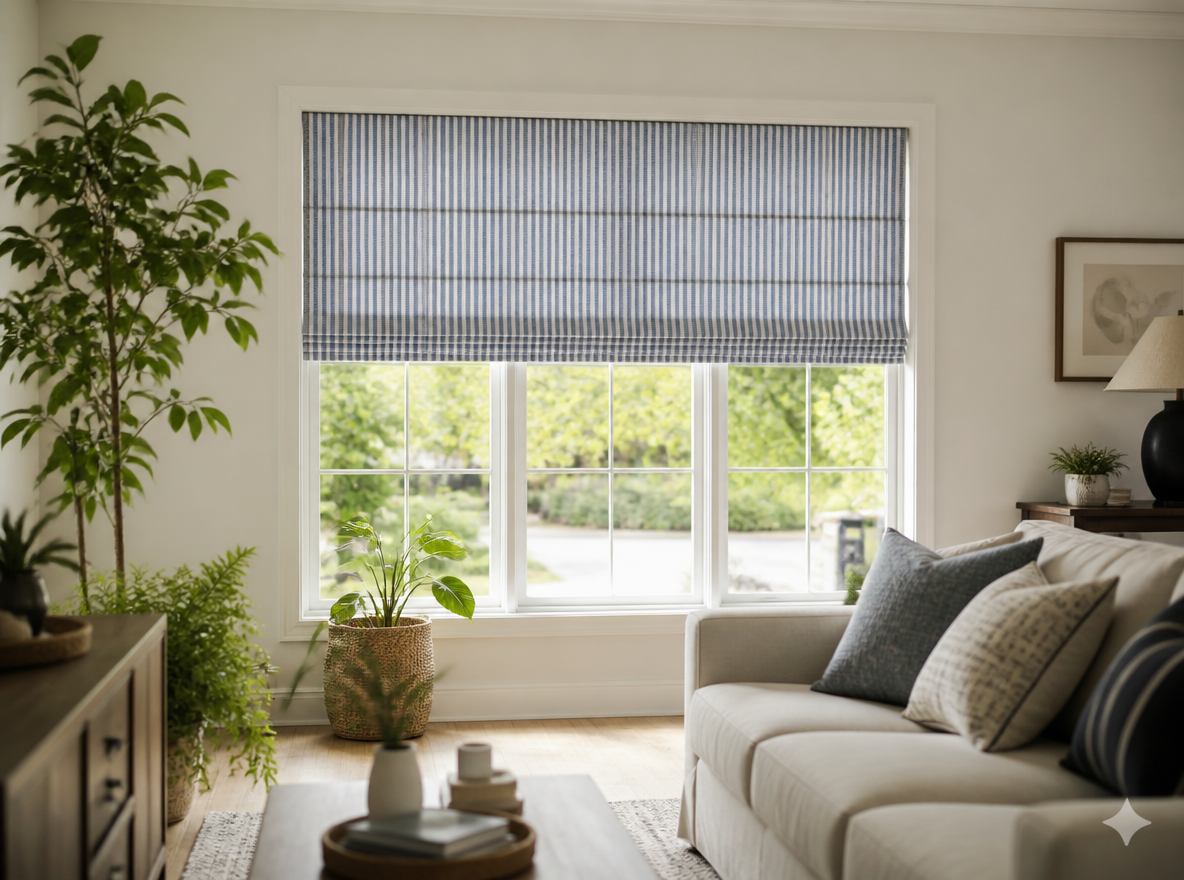
✅ Stores bateaux (Premier choix décoratif en décoration intérieure)
Avantages : Texture de tissu de qualité supérieure, plis tridimensionnels et forte décoration, un choix populaire pour les intérieurs campagnards, rétro et luxueux ; riches options de tissus (coton et lin, chenille, etc.) pour s'adapter à différents styles de décoration ; légers pour les petites tailles, adaptés aux fenêtres d'appartement.
Inconvénients : Isolation thermique et phonique moyenne, ne répondant pas aux besoins de certains utilisateurs soucieux d'économie d'énergie ; légère occupation de l'espace lorsqu'ils sont entièrement pliés pour les grandes fenêtres, moins adaptables que les stores cellulaires.

2. Tissu occultant VS transparent (choix courants)
✅Occultant total : blocage de la lumière à 100 %, protection UV et intimité maximale, adapté à la chaleur estivale ; certains styles répondent aux normes d'efficacité énergétique pour une isolation thermique auxiliaire. Idéal pour les chambres, les chambres d'enfants, les fenêtres en rez-de-chaussée et les résidences dans les régions chaudes en été.
✅Semi-transparent : Transmission douce de la lumière naturelle, vision claire et spacieuse avec une meilleure esthétique, adapté aux maisons moins lumineuses ; léger et facile à entretenir, parfait pour les espaces à utilisation quotidienne fréquente tels que les salons, les bureaux, les couloirs, les balcons et les résidences en hauteur.
3. En fait
Les stores bateaux offrent une texture élégante, tandis que les stores cellulaires se concentrent sur la praticité générale. Il n'y a pas de meilleure option absolue, seulement la plus adaptée. Clarifiez vos besoins, comparez les matériaux, mesurez précisément et adaptez par scène pour éviter la plupart des erreurs de sélection.
N'hésitez pas à contacter notre service client pour des plans d'agencement gratuits et des conseils sur les tailles, et créez facilement une maison simple et haut de gamme.

Partager:
Pas un filtre — ce sont des stores en bambou qui transforment la lumière du soleil en ambre.
Comment un rideau en bambou transforme une terrasse brûlante en une pièce douillette