
Ships in 5 Days
All Product FREE Shipping
Order Sample Booklets
FAQs
Please read our FAQs page to find out more.
What are cordless blinds? What are their advantages?
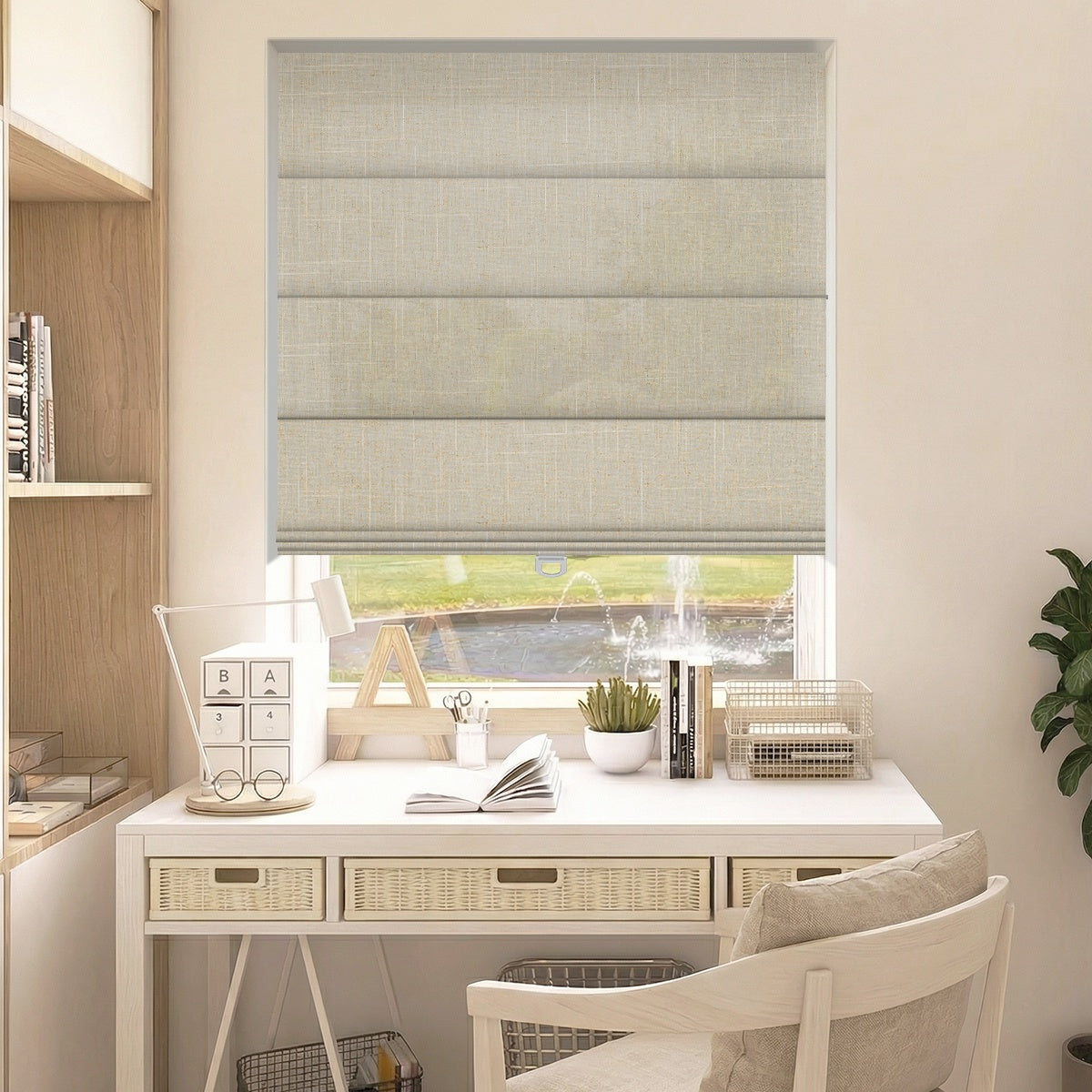
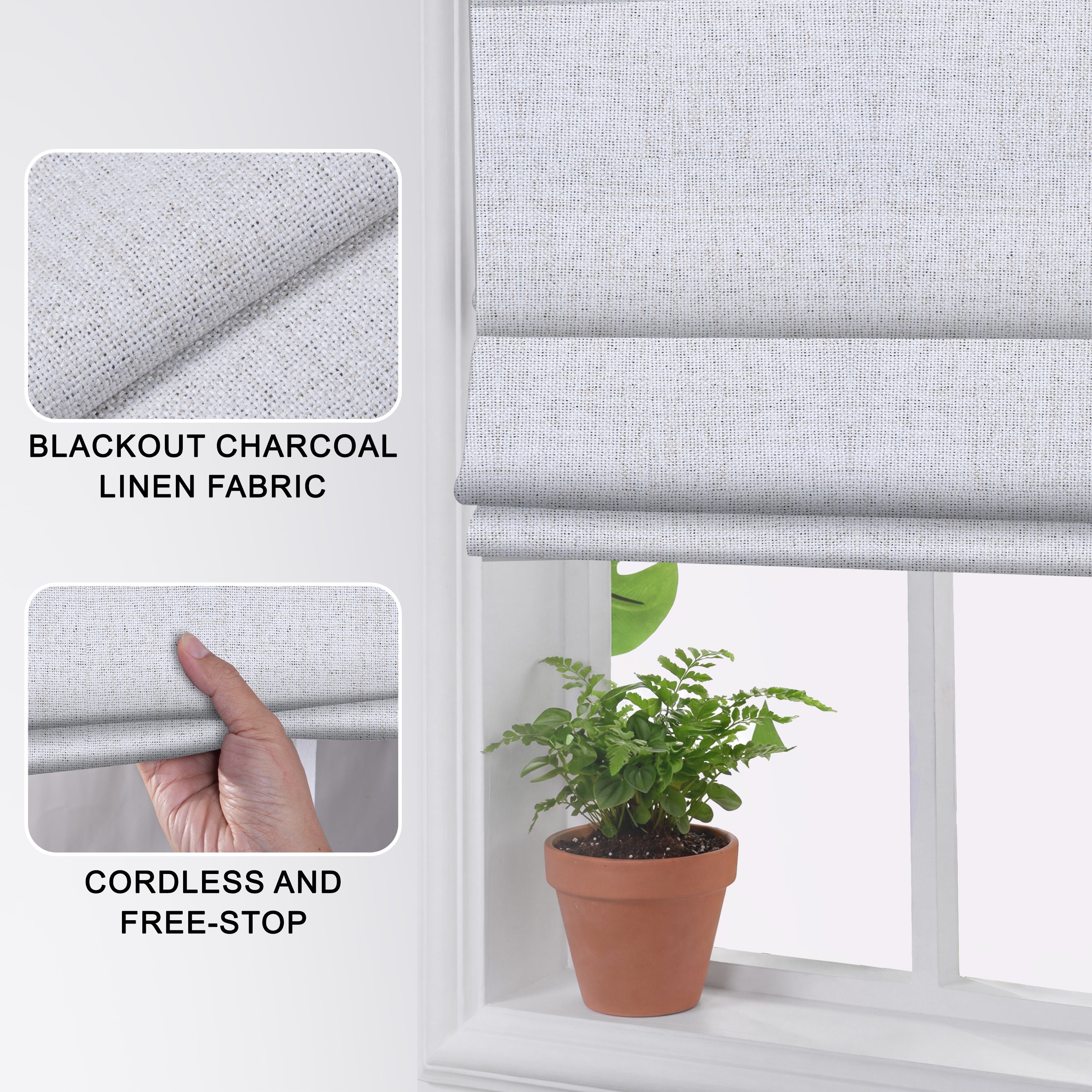
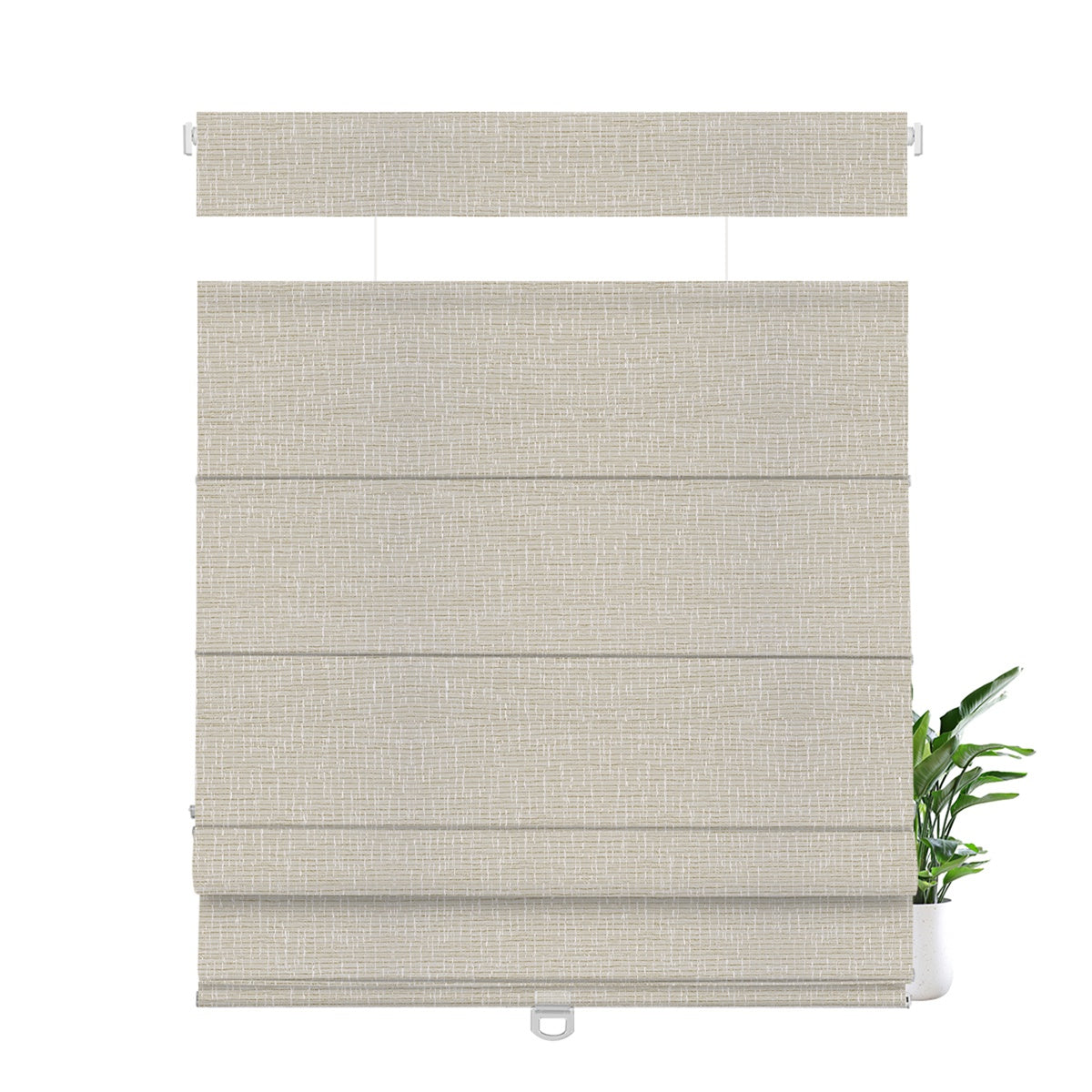
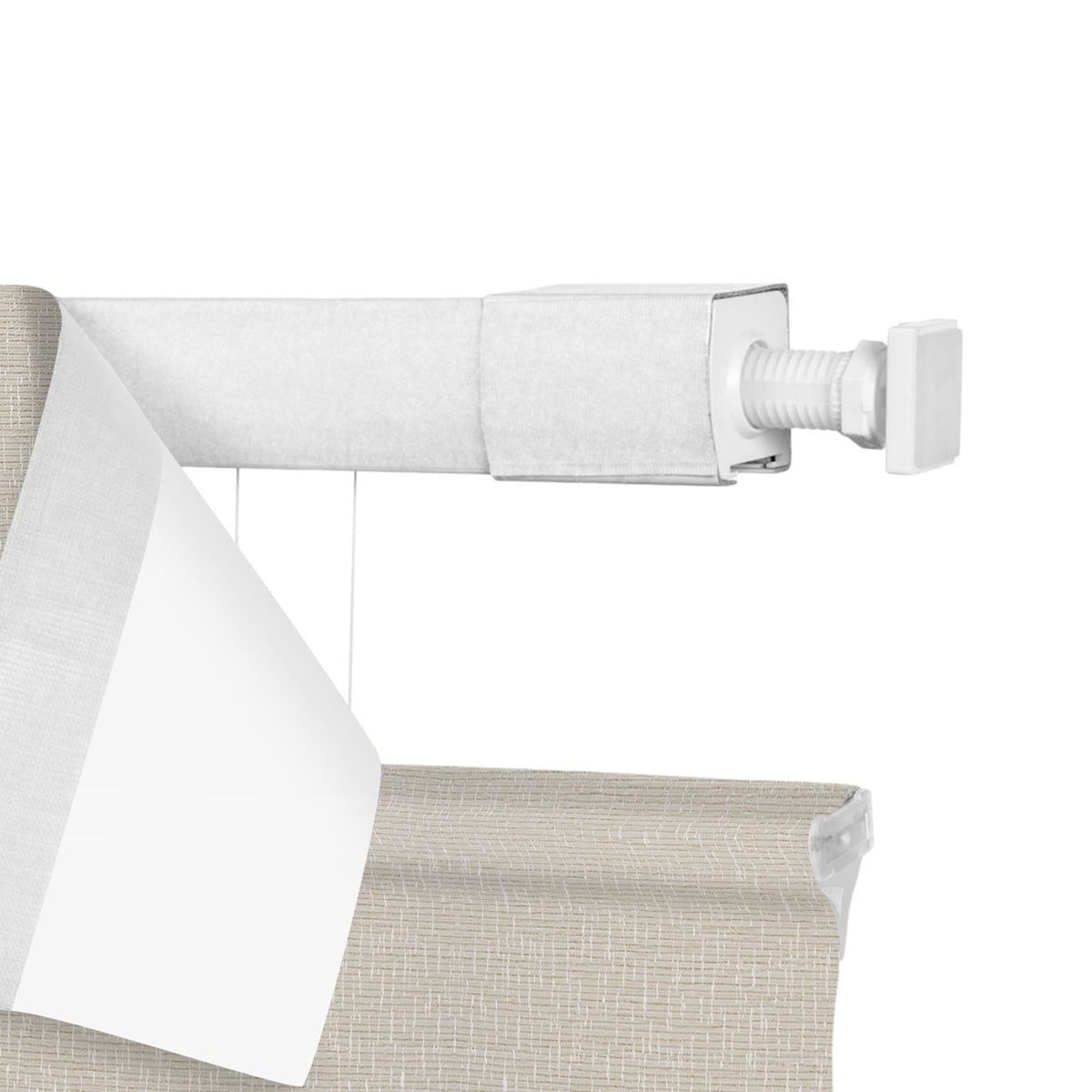
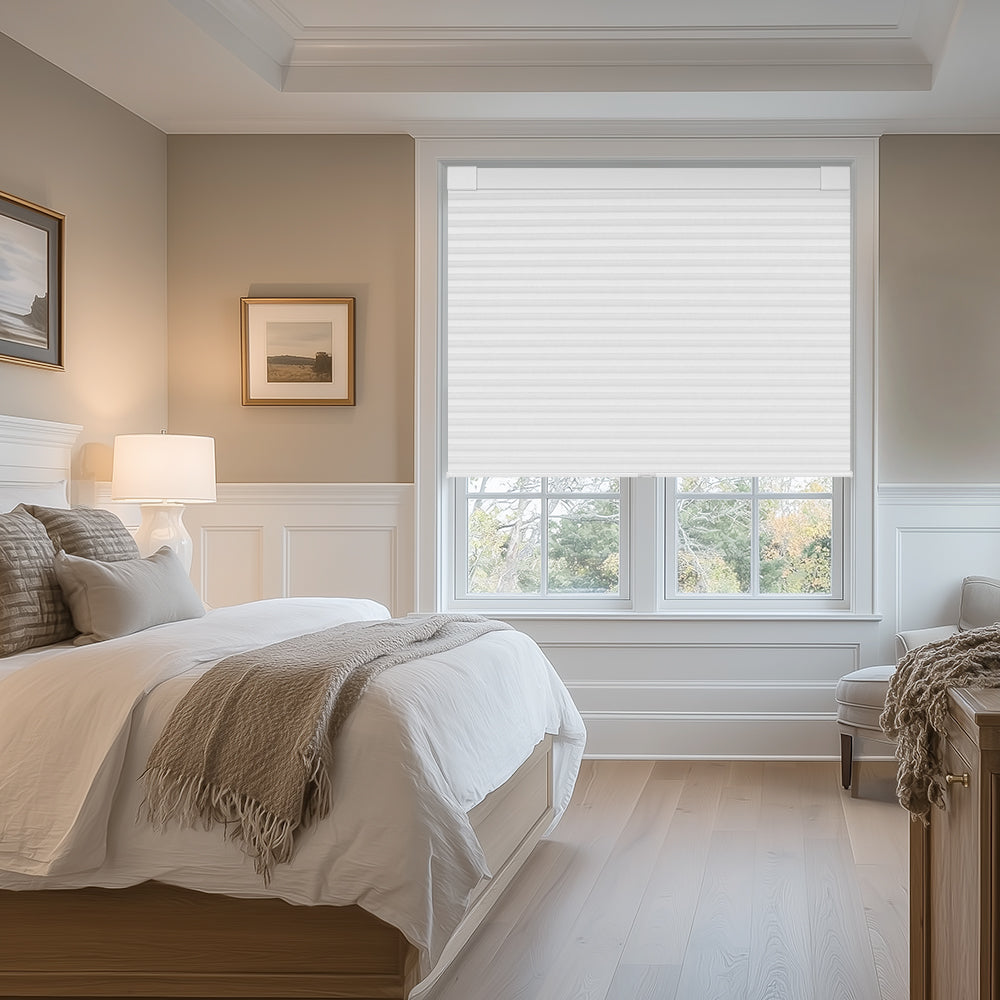
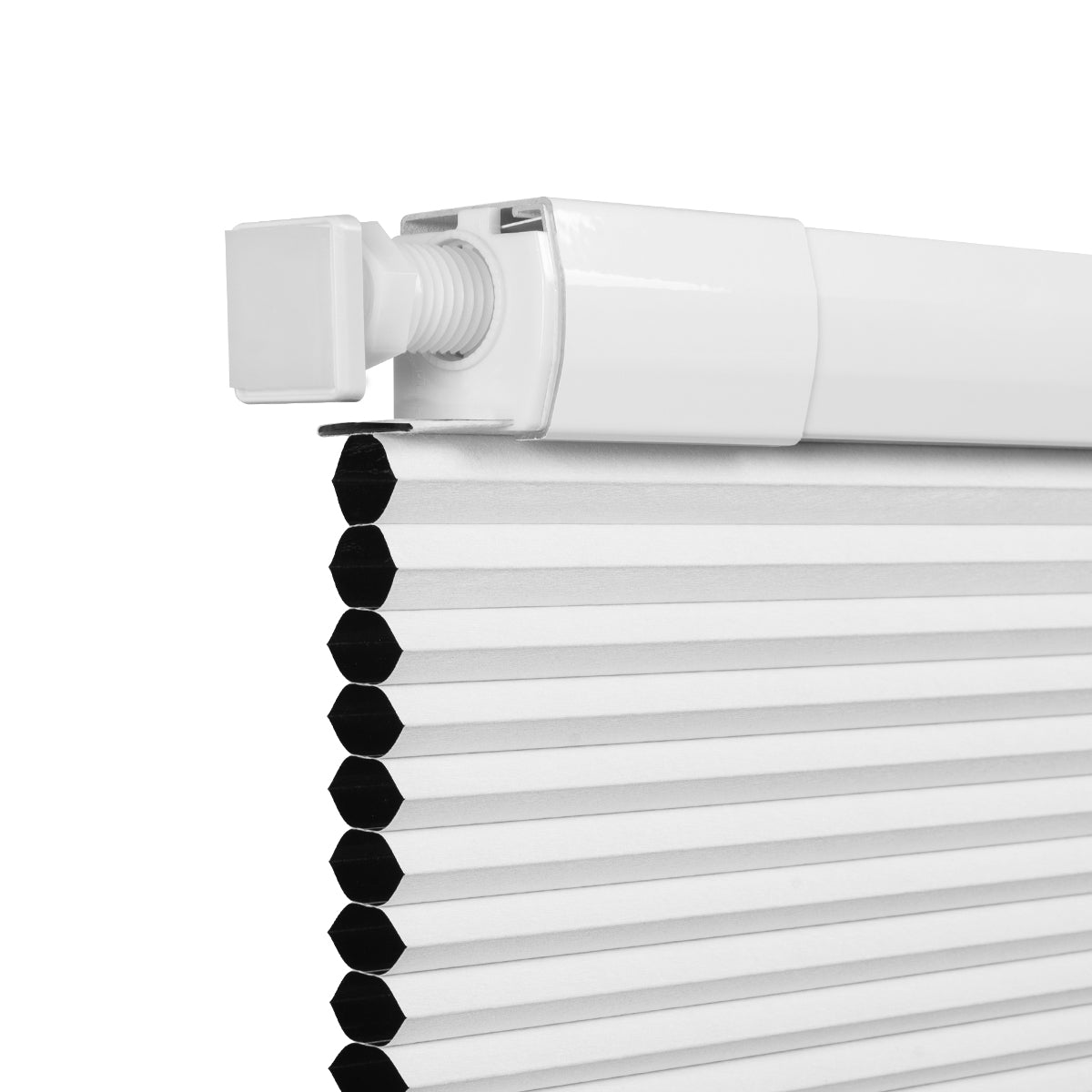
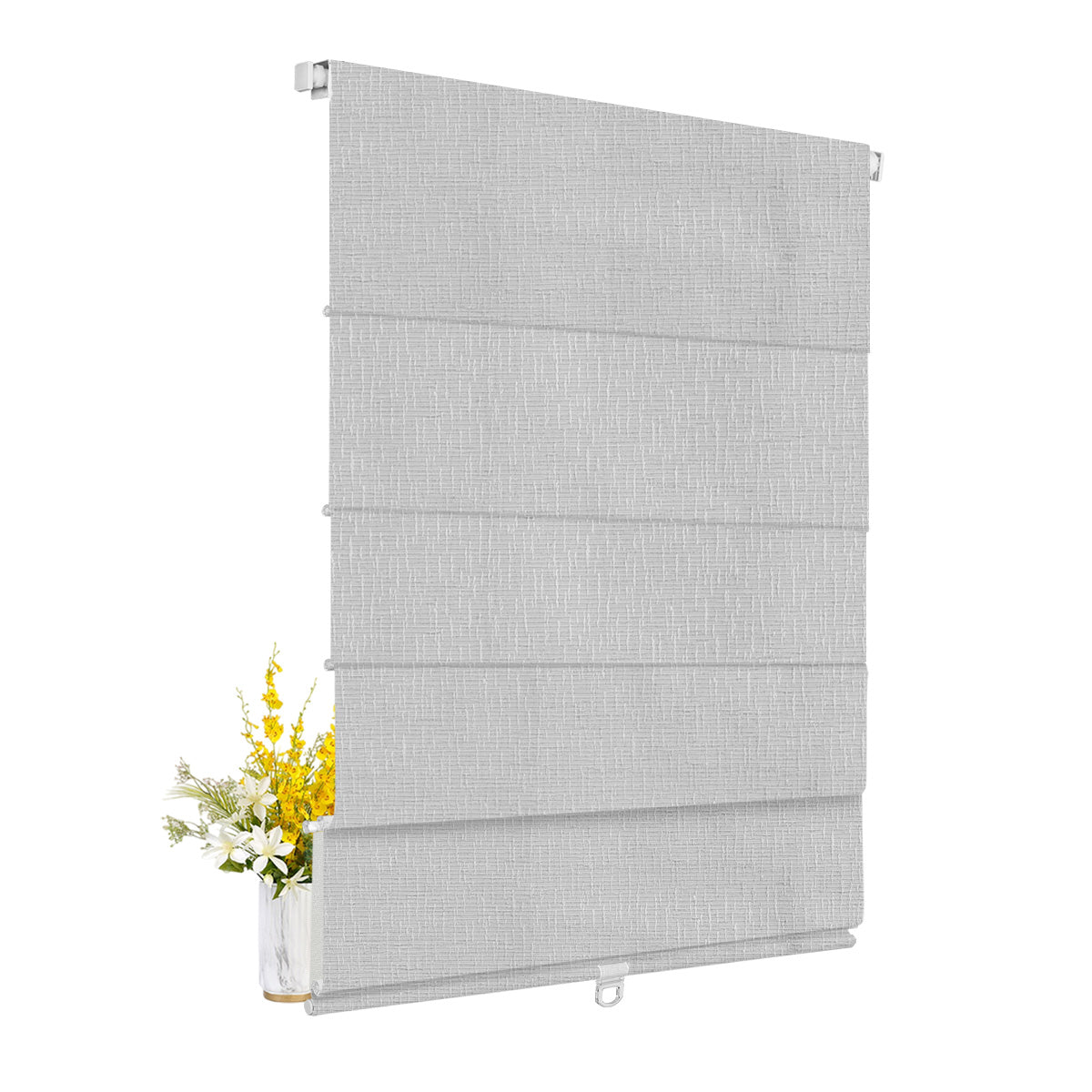
Cordless blinds eliminate traditional pull-cord mechanisms, utilizing built-in springs, magnetic systems, or motorized drives for operation. Their design prioritizes safety and convenience, completely eliminating the risk of children or pets becoming entangled in cords. This simplifies operation while offering a cleaner, sleeker appearance. The cordless design also prevents issues like cord wear and tangling.
How many operating methods are there for cordless blinds?
They primarily come in two types: manual and motorized, both designed for easy operation by beginners. Manual models allow direct control of lifting, lowering, and angle adjustment by pulling the bottom of the slats or using the adjustment rod—requiring only 0.5–1 kg of force, making them effortless for children to operate. Motorized models support remote control, smartphone apps, or voice commands (compatible with smart home systems), enabling lifting, lowering, and light adjustment with a single button press—quickly mastered by both the elderly and children.
Which spaces are cordless blinds suitable for installation in? Can they be used in bathrooms and kitchens?
Where are cordless blinds suitable for installation? Can they be used in bathrooms and kitchens?
What are the respective advantages and disadvantages of cordless blinds compared to traditional corded blinds?
Advantages: Safe with no entanglement risk, sleek appearance, easy operation, and no cord wear issues. Disadvantages: Cost is 15%-30% higher than corded models; manual versions have size limitations per panel; motorized versions require periodic charging or wiring. Overall, for households—especially those with children or pets—the safety benefits of cordless blinds far outweigh the cost disadvantage.
How effective are cordless blinds at blocking light? Can they achieve complete blackout? What fabric options are available?
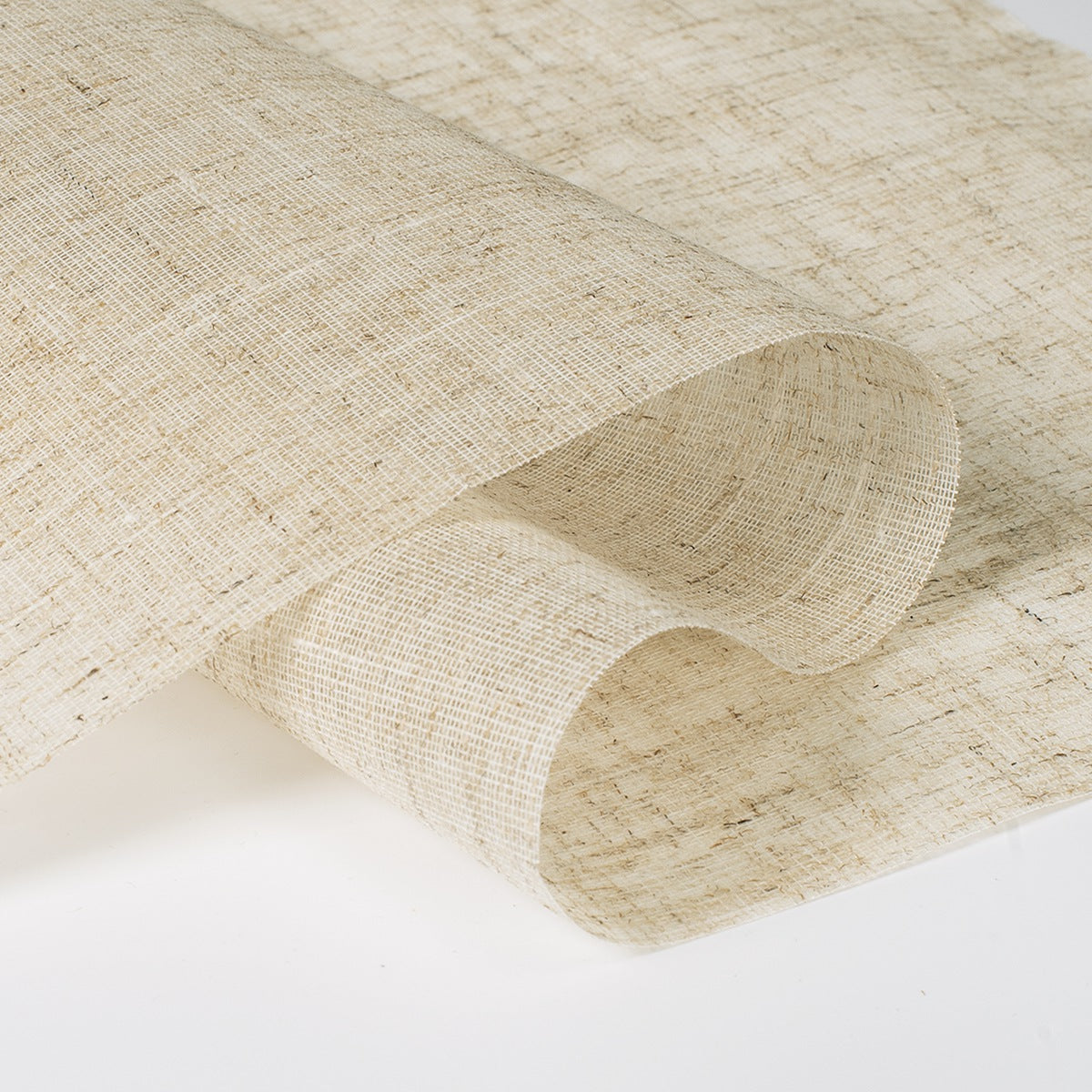
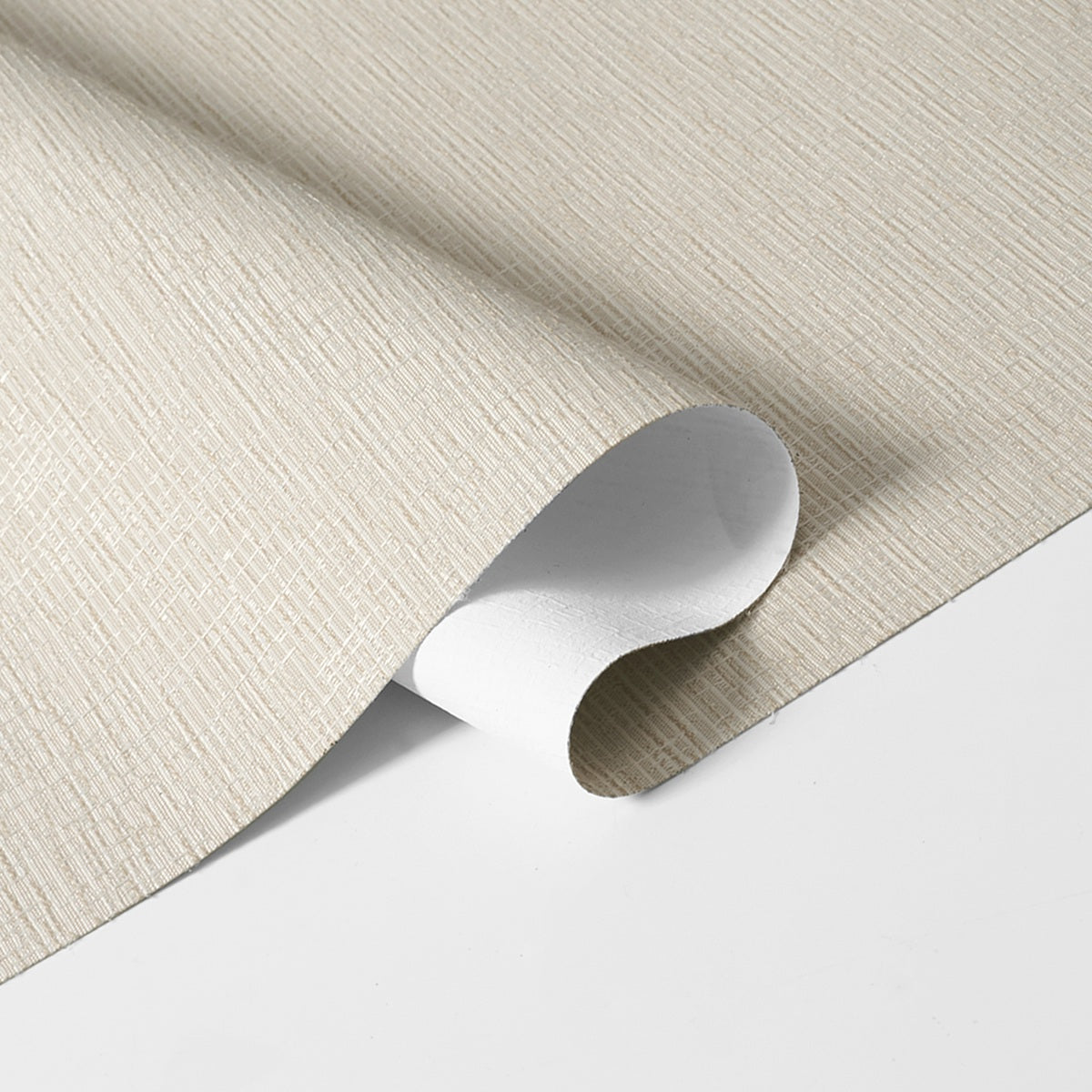
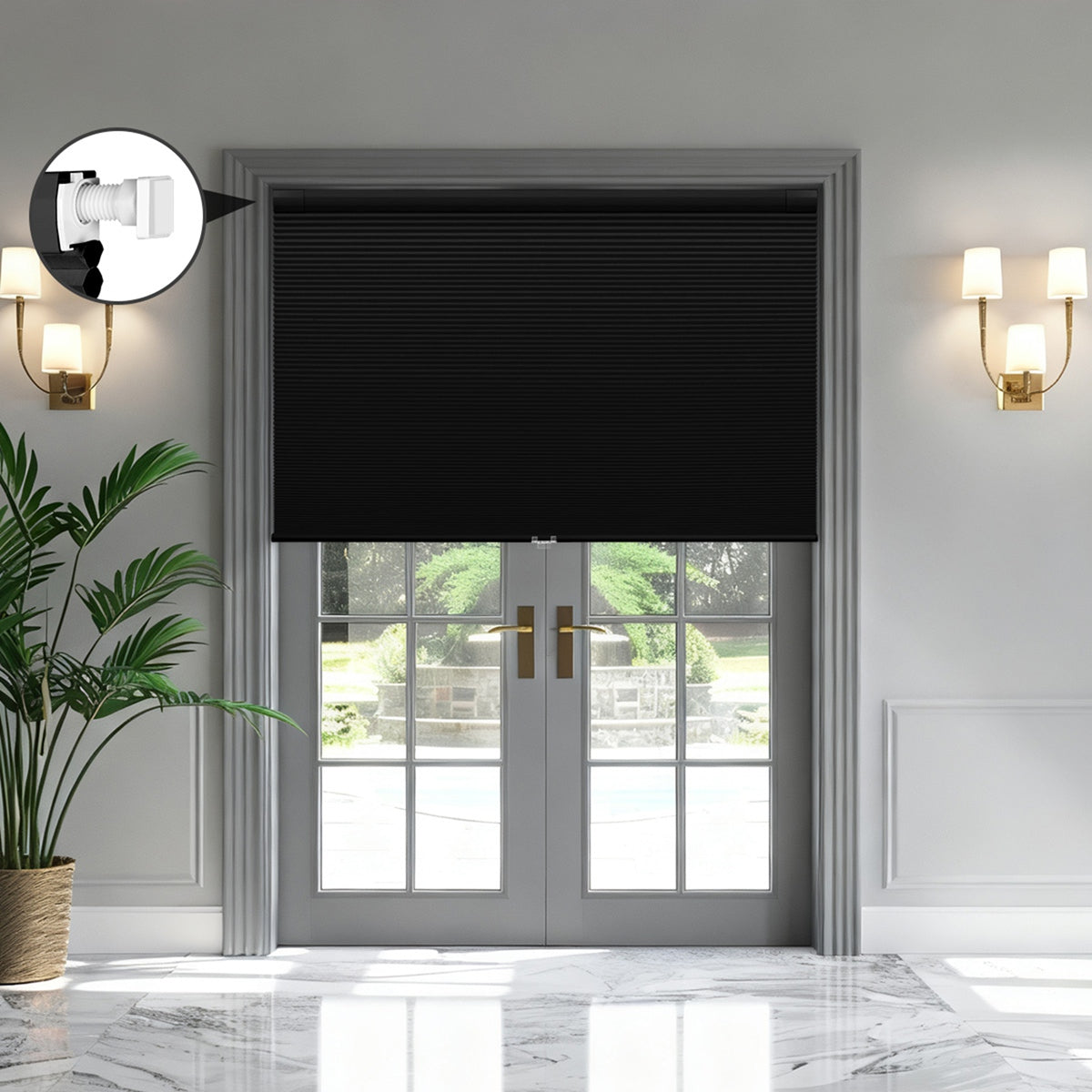
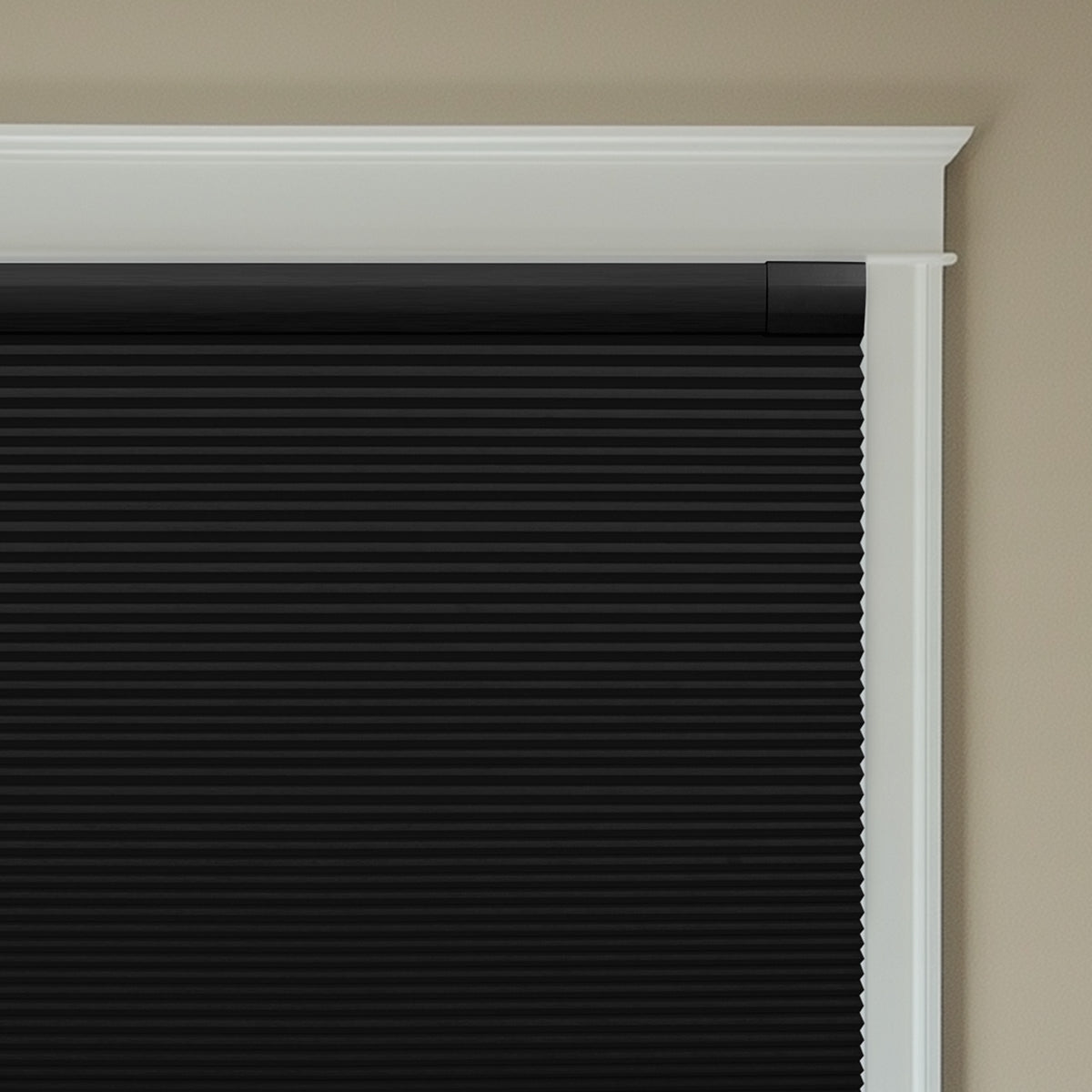
Light-blocking effectiveness depends on the fabric, and complete blackout is achievable. Fabrics are categorized into semi-translucent, light-blocking, and fully blackout types. Fully blackout styles are ideal for bedrooms and home theaters. Pairing them with sealed side channels can further enhance light blockage to 99%.