

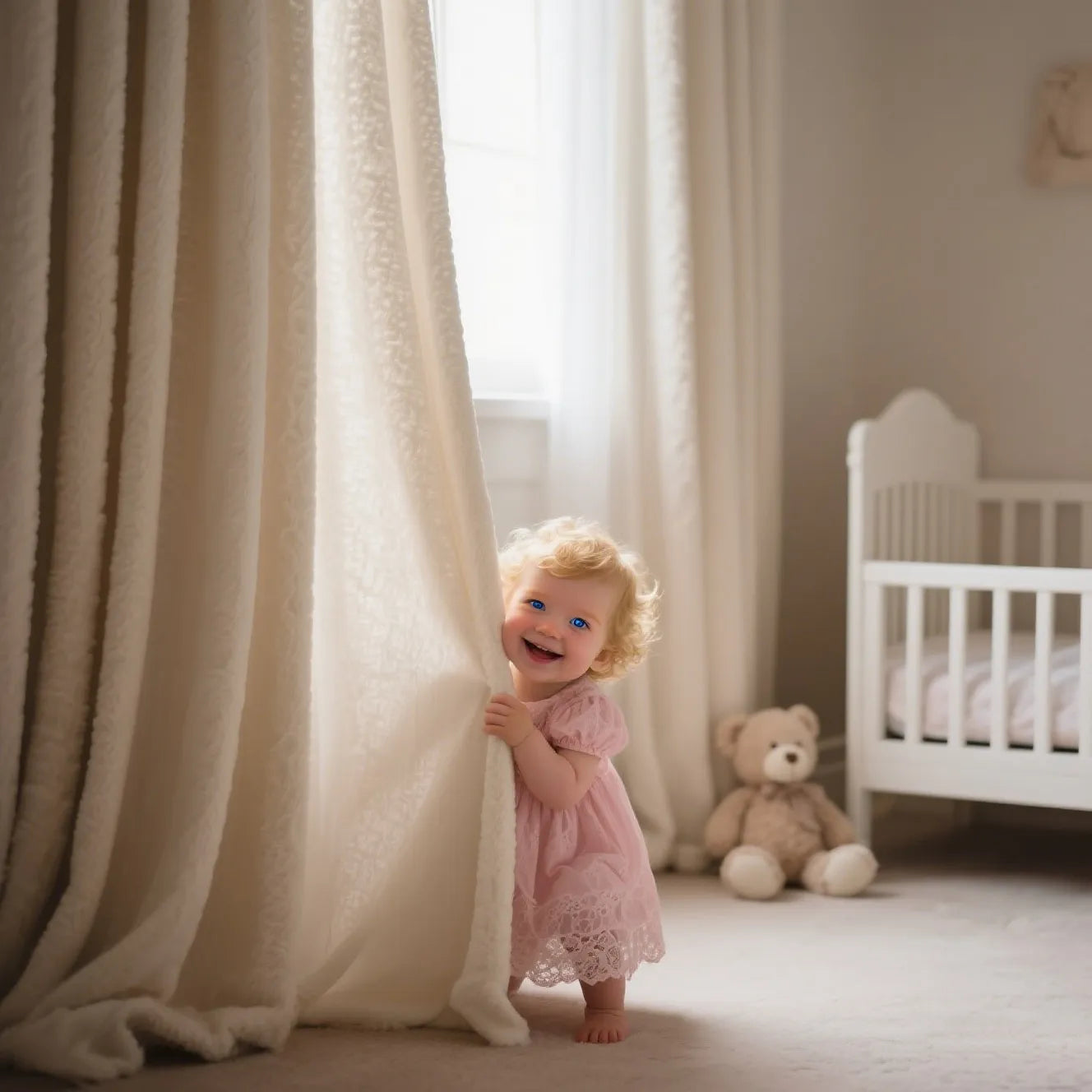

Dear parents, have you noticed that your children love to play hide-and-seek behind curtain shades as soon as they can move around freely? While curtains may seem like a harmless source of entertainment, have you ever considered how they might affect your family's respiratory health? The cleanliness and maintenance of curtains are a major concern for health experts, especially when it comes to children with delicate respiratory systems.
Why Can Curtains Become a Health Hazard?
1.The Counterproductive Effect of "Air Purifiers":
curtain shades are large surfaces exposed to air, making them major absorbers of suspended particulate matter (such as PM2.5), dust, and moisture (condensation due to humidity changes). These attachments provide perfect breeding grounds for bacteria, molds, and other microorganisms.

2."Hiding Dirt" Goes Unnoticed:
Many families only clean or replace their curtain shades once a year or even longer. Over time, the pollutants accumulated on curtain shades far exceed imagination, and curtain shades with more folds are more prone to dust accumulation.
3.Closer to Pollution Sources Equals Greater Risk:
curtain shadesnear roads or windows face higher dust pollution and greater temperature/humidity fluctuations, leading to more prominent bacterial growth.
4."Secondary Pollution" Risk:
When curtain shades are blown by wind or touched by children, accumulated dust and germs easily disperse into indoor air or are directly inhaled.
5.How Does This Affect Children?
In pediatric clinics, respiratory infections are common issues. Many cases show that children, naturally curious, like to play hide-and-seek behind curtain shades or even rub their faces against them. At such times, large amounts of dust and germs on curtain shades are being inhaled by children. With weaker respiratory defenses, children are directly irritated by or infected with these pollutants, leading to recurrent coughs, colds, and other respiratory diseases.
Protecting Children's Respiratory Health: Keeping Them Away from curtain shades is Key (Although Nearly Impossible), So Start with Choosing and Using curtain shades Properly! Professional Advice:
1.Prioritize Natural Materials:
Prioritize natural fibers such as cotton, linen, silk, and choose fabrics with OEKO-TEX certification whenever possible. These materials are more breathable, less prone to generating static electricity that attracts dust, and are inherently safer.
2.Simplify Design Over Complexity:
Avoid large, complex prints, heavy embroidery, and multi-layered pleated styles. These intricate designs and structures trap more dust and are harder to clean. Opt for simple, flat designs.
3.Choose easy-to-maintain surfaces:
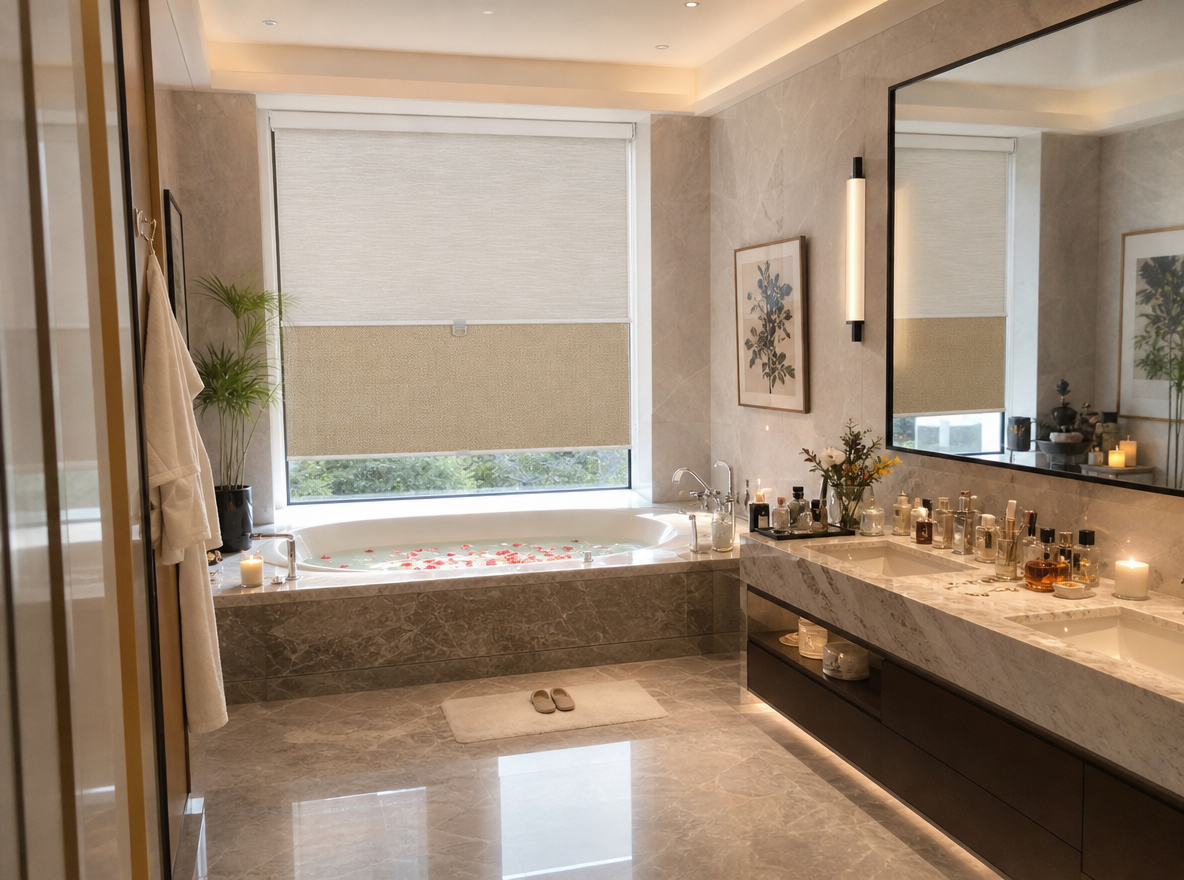
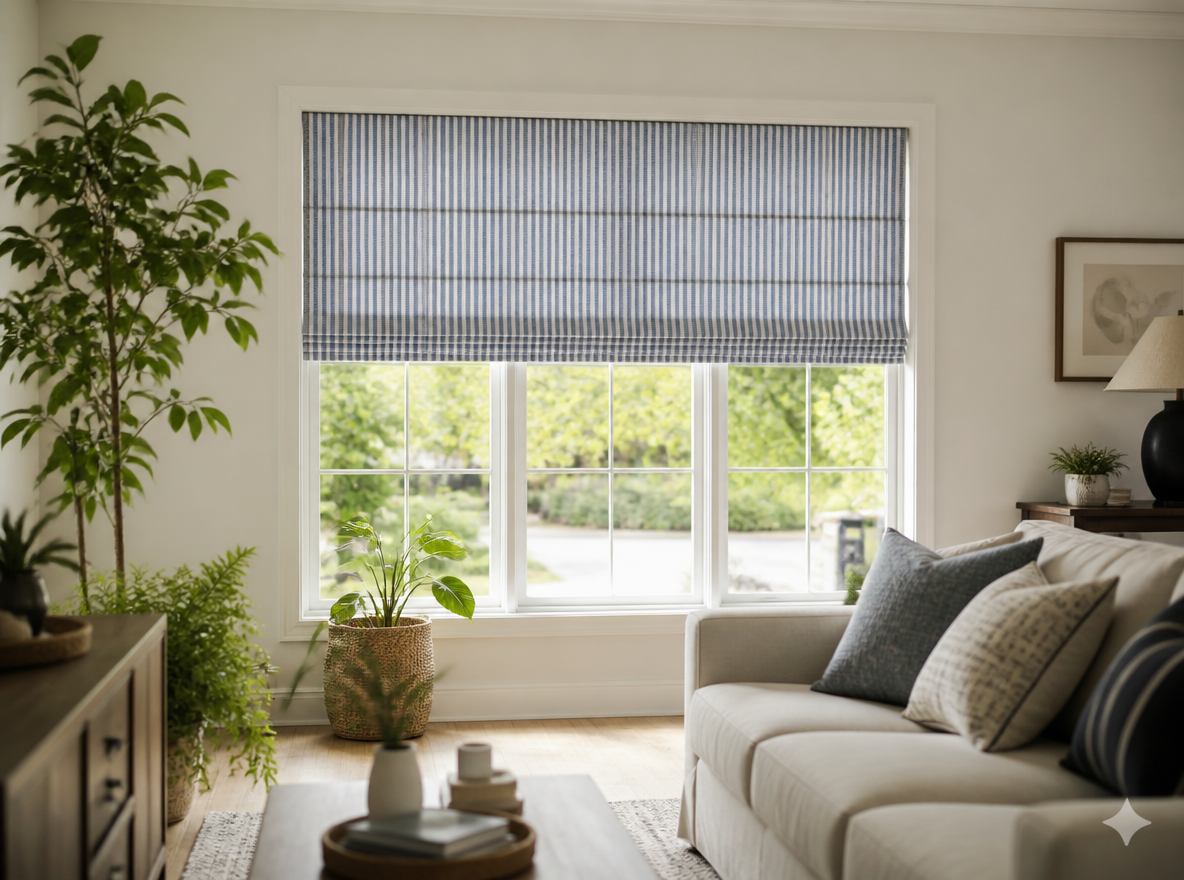
Prioritize structured designs such as Roman shades, cellular shades, and roller shades. These vertically moving designs can raise the curtain shades out of children's reach. They are also easy to maintain - simply wipe with a damp cloth or clean with a vacuum cleaner.

4.Regular Cleaning is Crucial:
Stop waiting a year! Clean curtain shades at least quarterly (more frequently if near a busy road or with susceptible family members). Increase vacuuming frequency in dusty seasons. Sunlight helps kill mites and bacteria. Choose easily detachable curtain shades like Roman shades with Velcro strips for easy cleaning.

5.Guide Children's Safe Play:
Clearly tell children not to play behind curtain shades, especially avoiding face and nose contact. Reduce direct inhalation of pollutants (though reasoning with young children can be challenging).
Healthy Home Starts with curtain shades:
Choose safe, easy-to-clean curtain shades materials and designs, and develop good cleaning habits to create a fresh, healthy breathing environment for your family. Don't let curtain shades become an overlooked health hazard!
Follow me for more insights on healthy home products selection and maintenance tips!

Share:
No-drill light-blocking curtains: A lifestyle change for the clumsy yet stylish you
2025 Ultimate Guide to shade Selection: Professional Tips from Soft Decor Designers